
Safer operations.
Smarter training.
A live aircraft is the most expensive classroom in aviation. RSE replaces it with a true-scale simulator of your airport, where mistakes cost nothing.
Ground damage costs the aviation industry $5 billion per year. 61% is caused by GSE.
Source: IATA | Ground Operations & Audits
Mistakes belong in the simulator.
A scraped fuselage, a struck door, a misjudged distance: the cost is rarely just the repair. Most of it is preventable, and most of it starts with training. RSE moves those moments off the live ramp: ramp agents meet the hard situations, and make the costly mistakes, in simulation first.
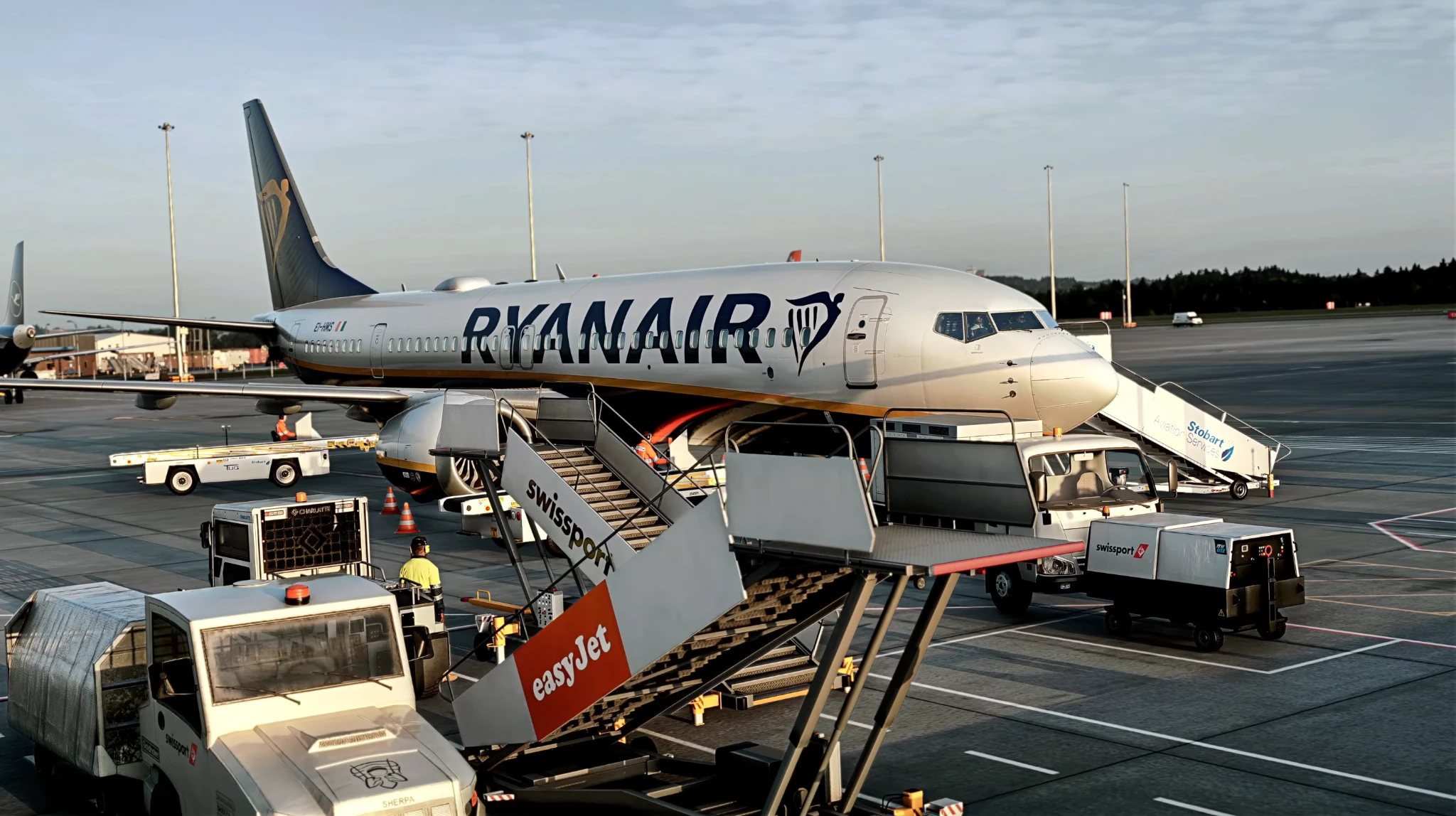
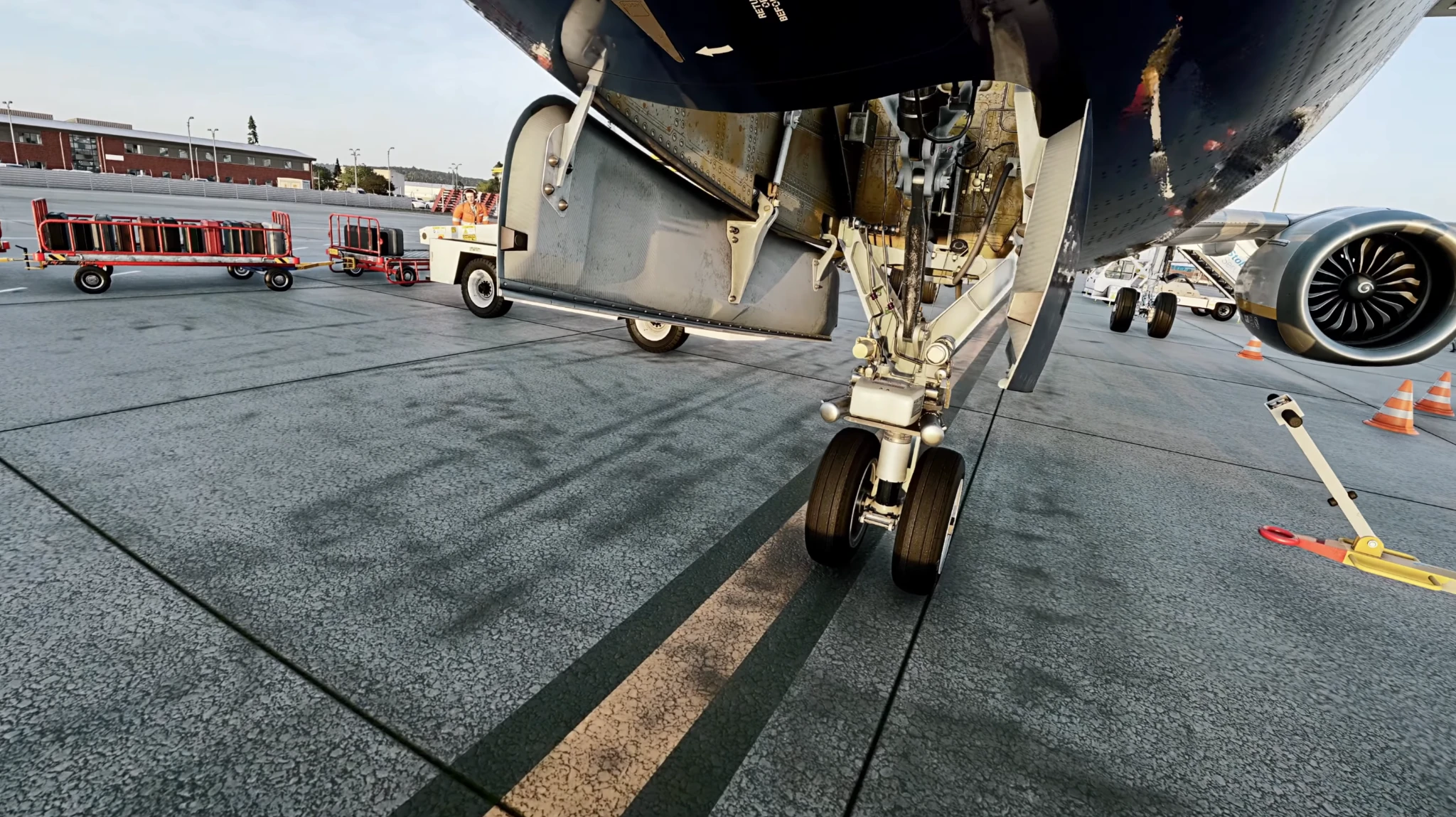
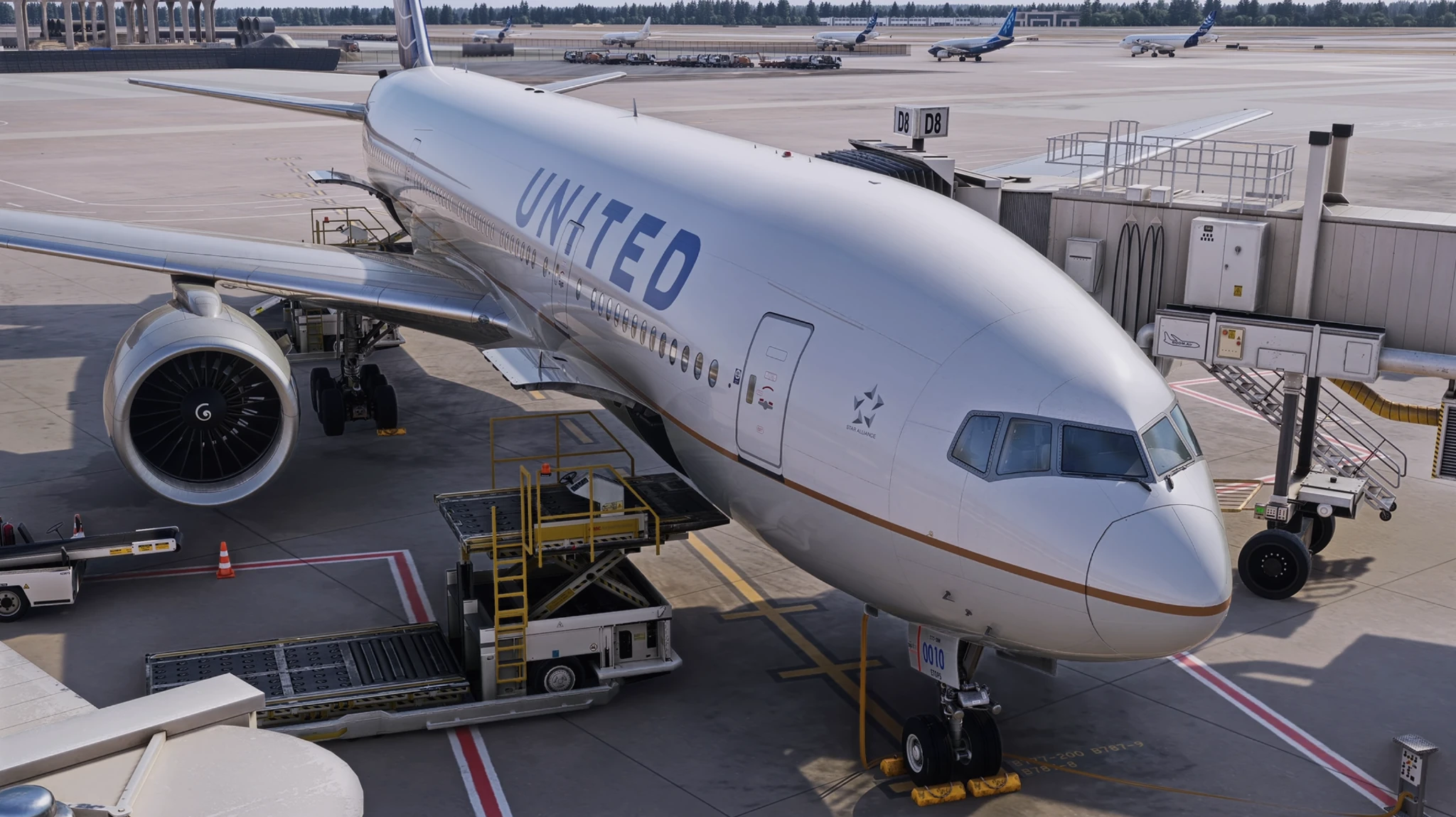
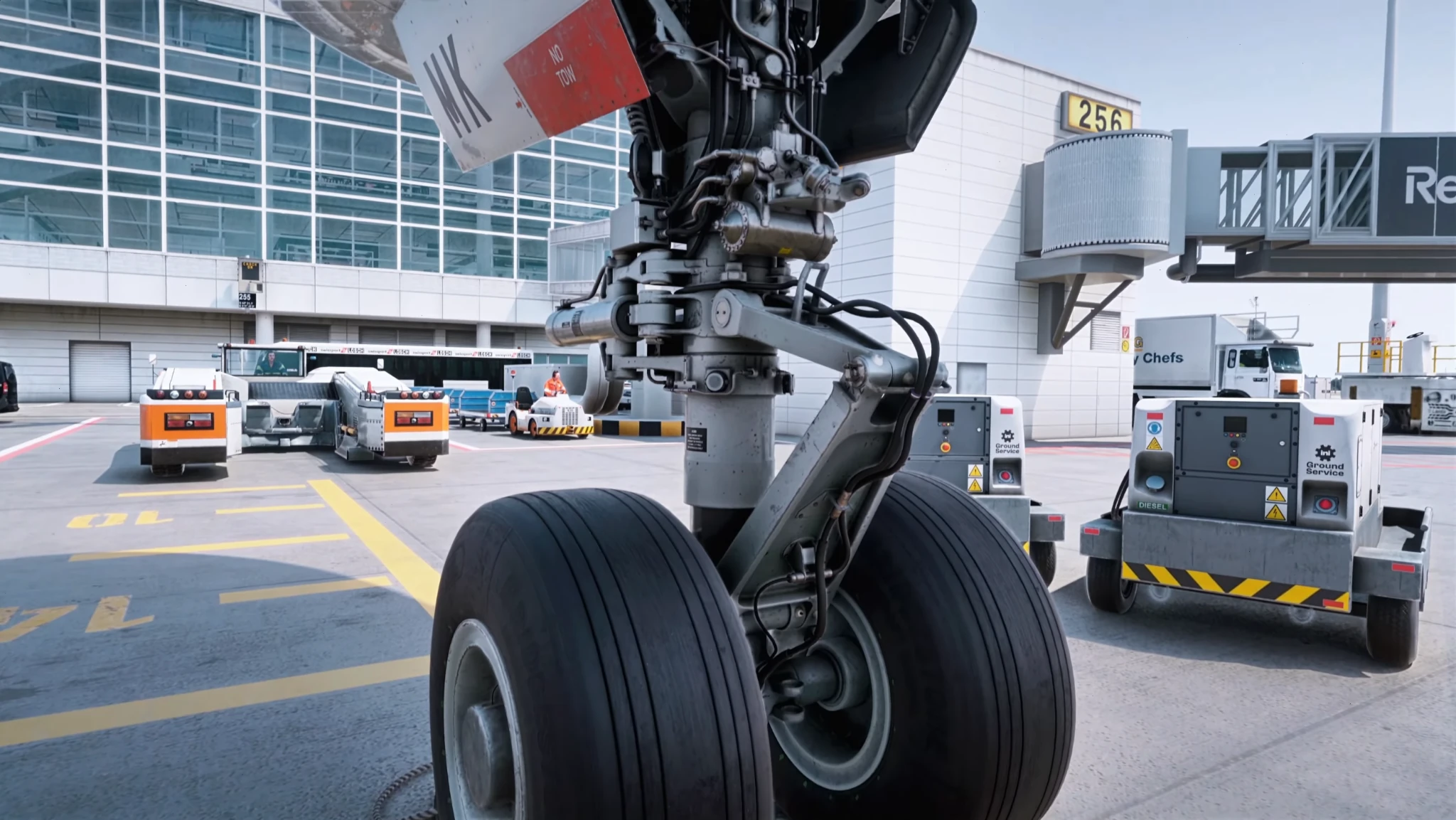
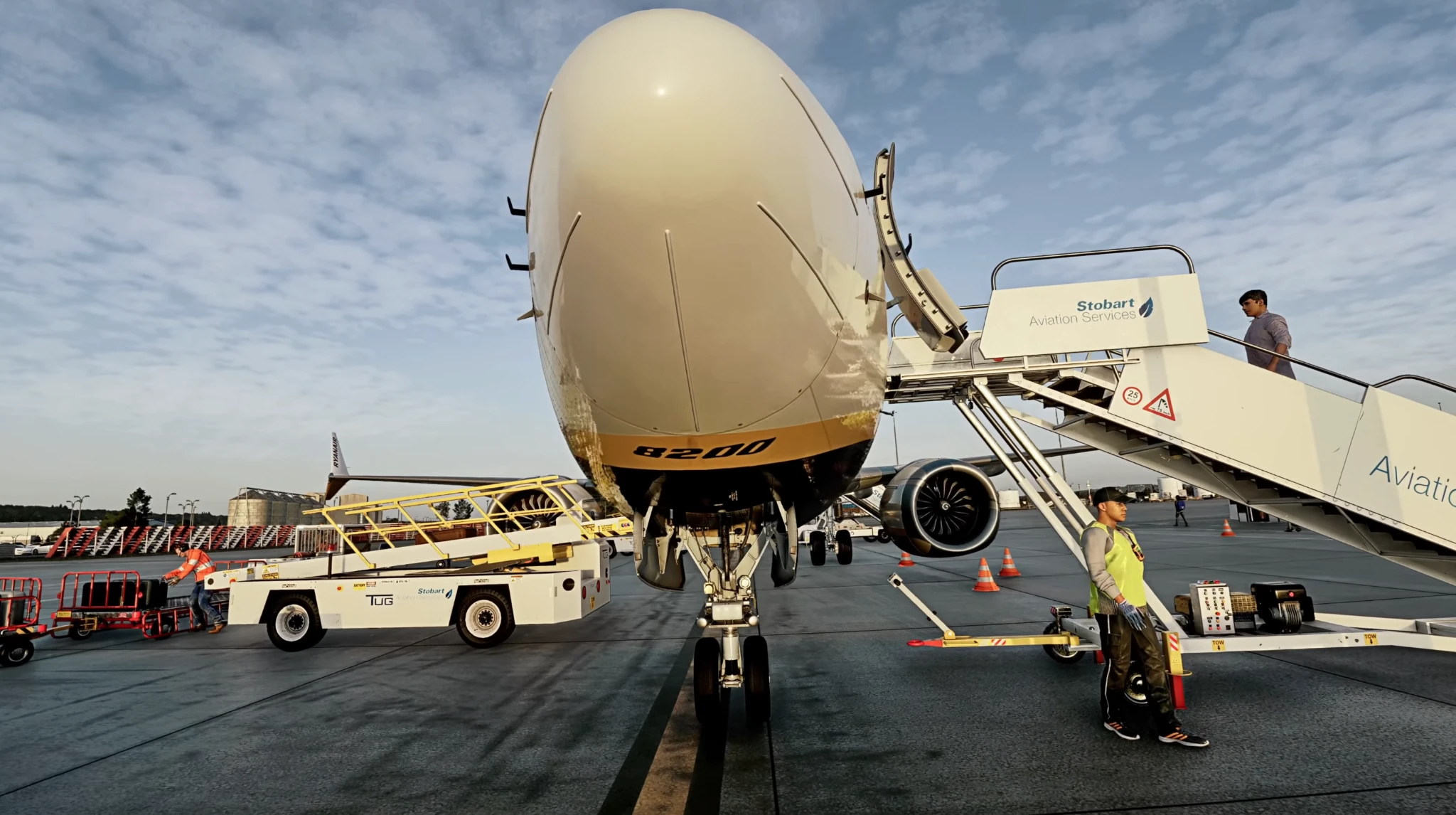
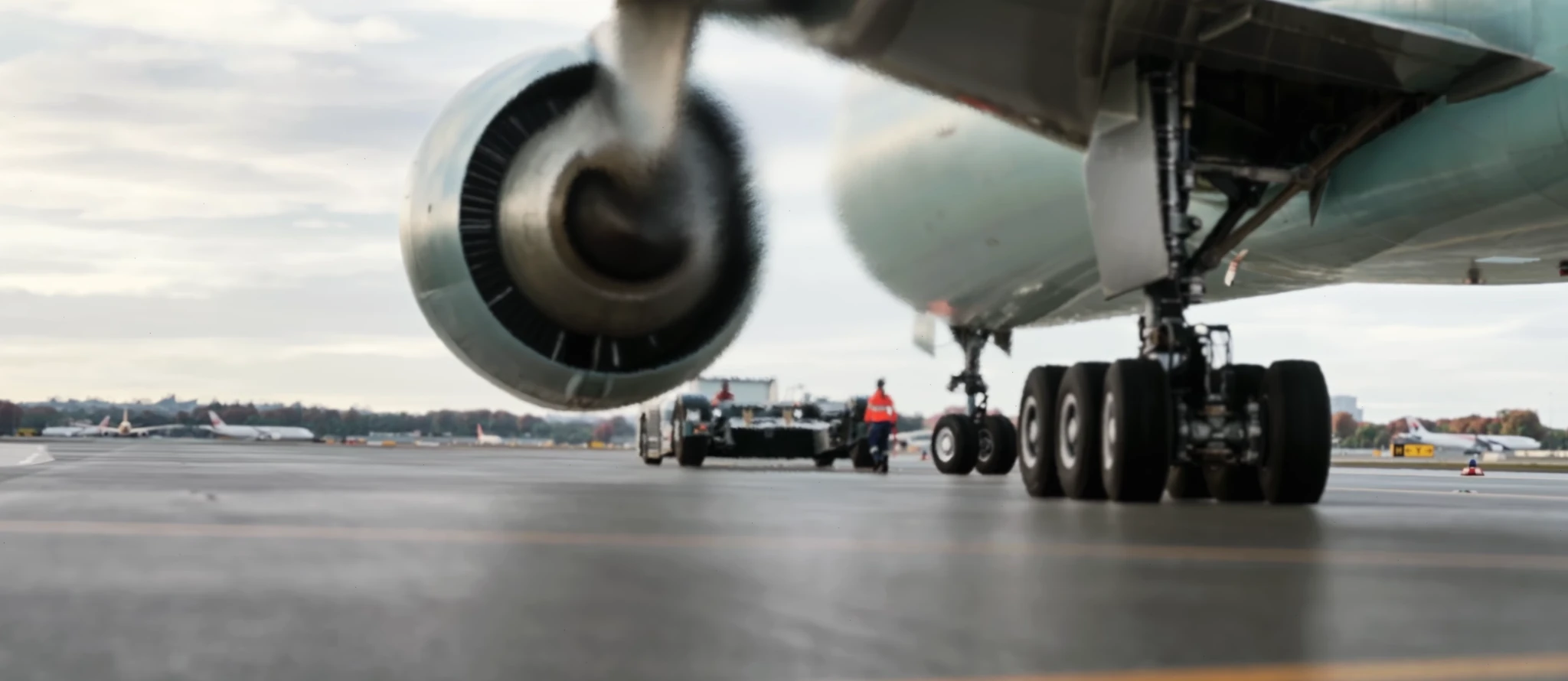
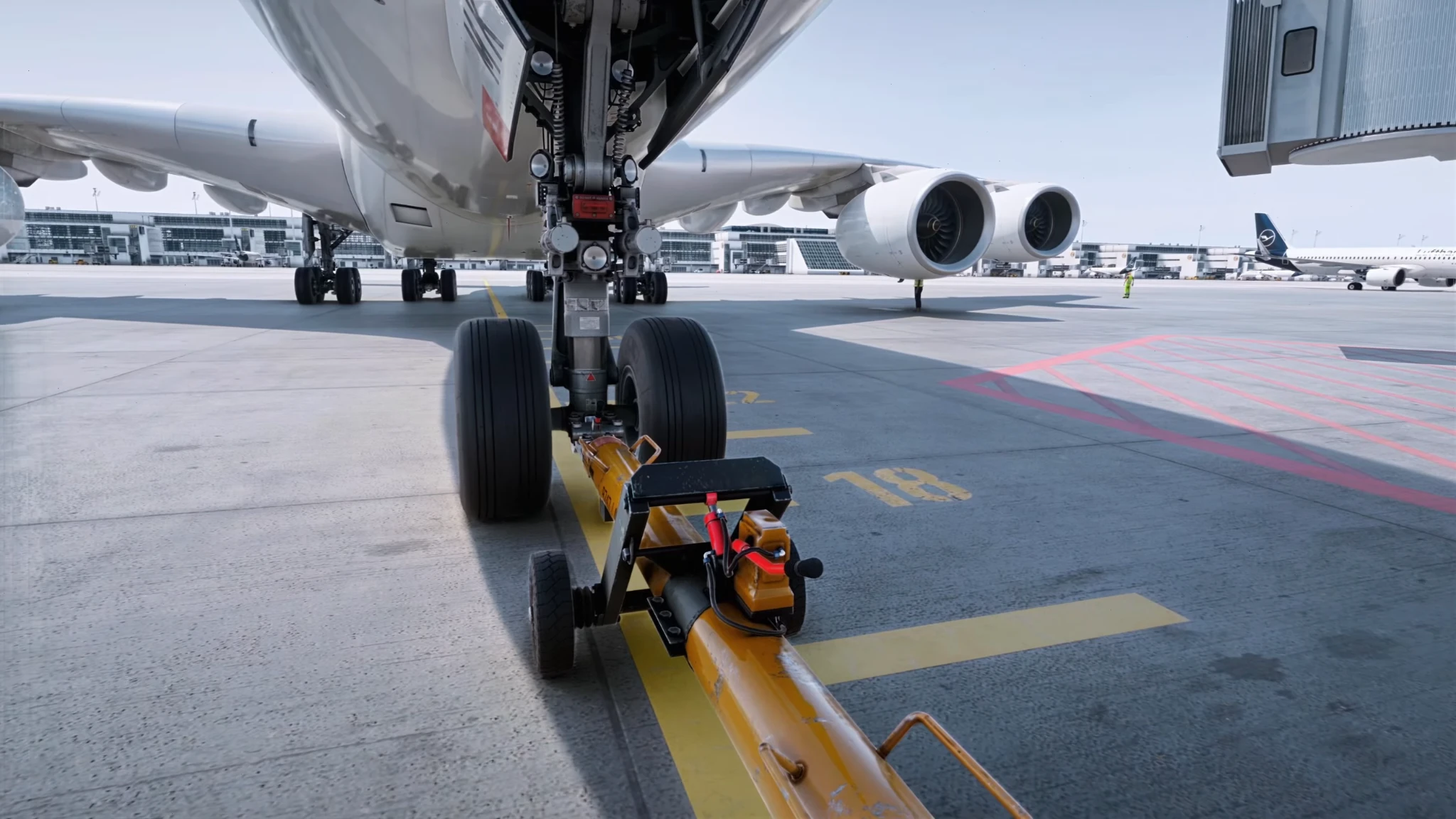
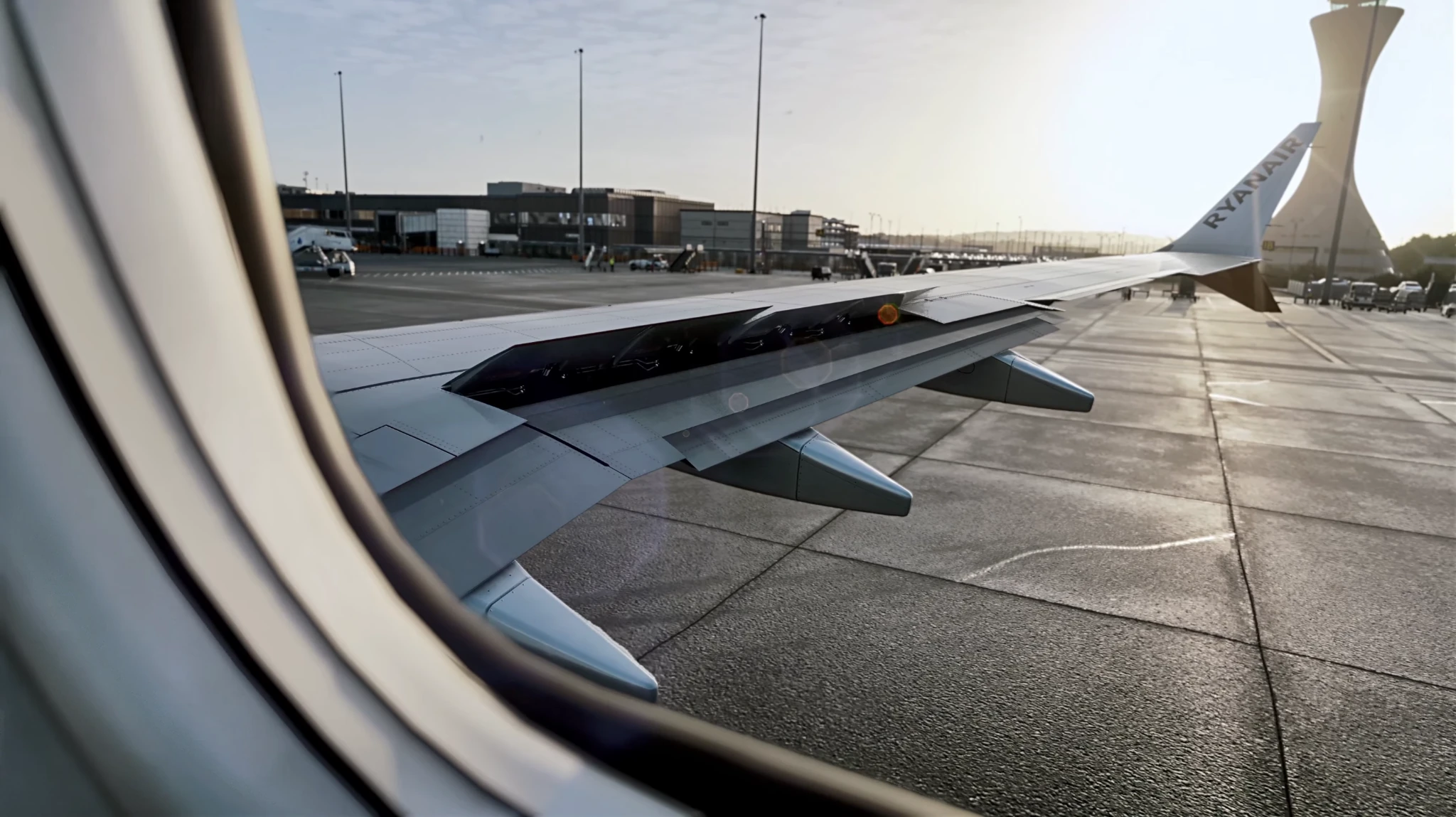
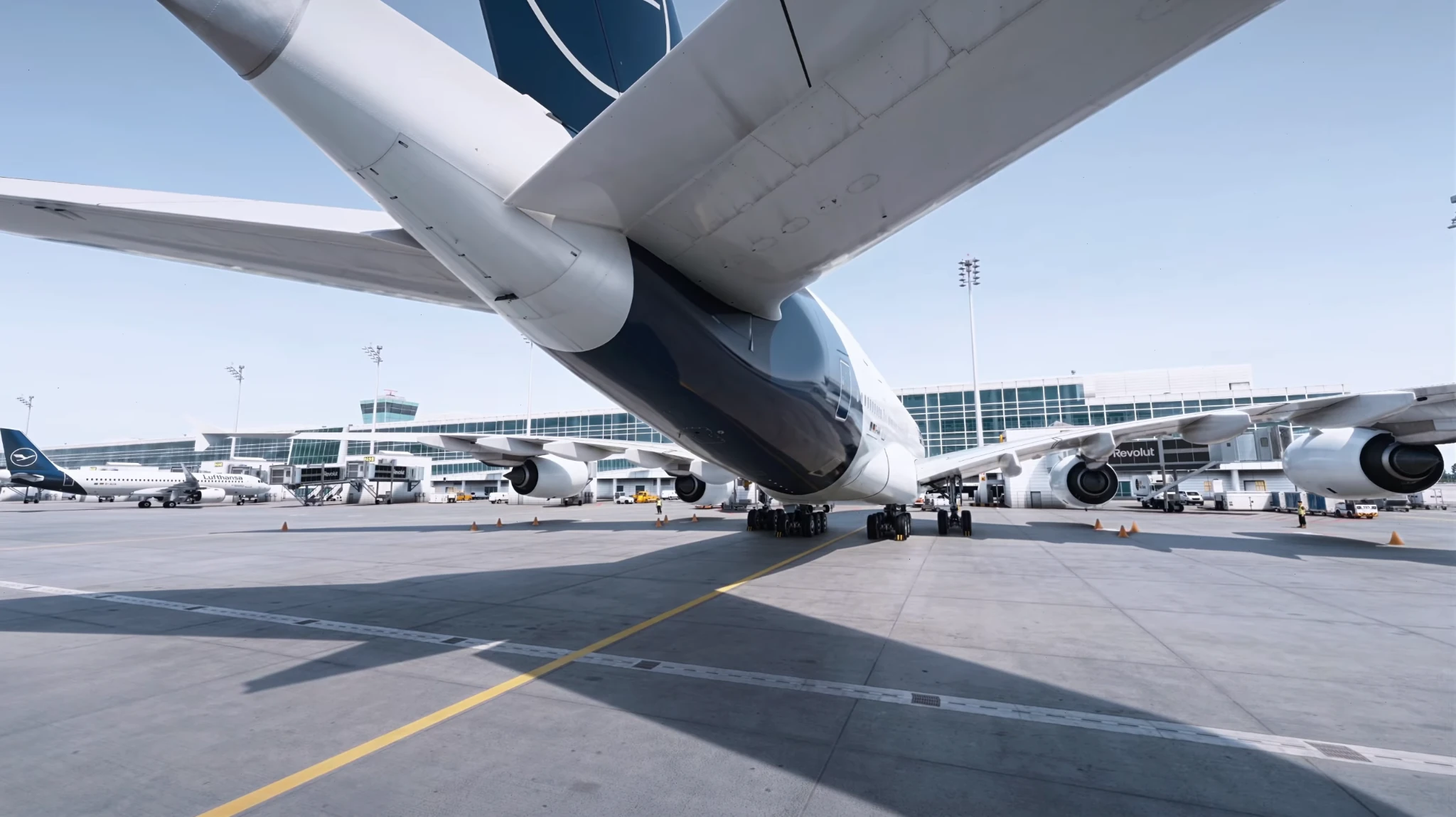
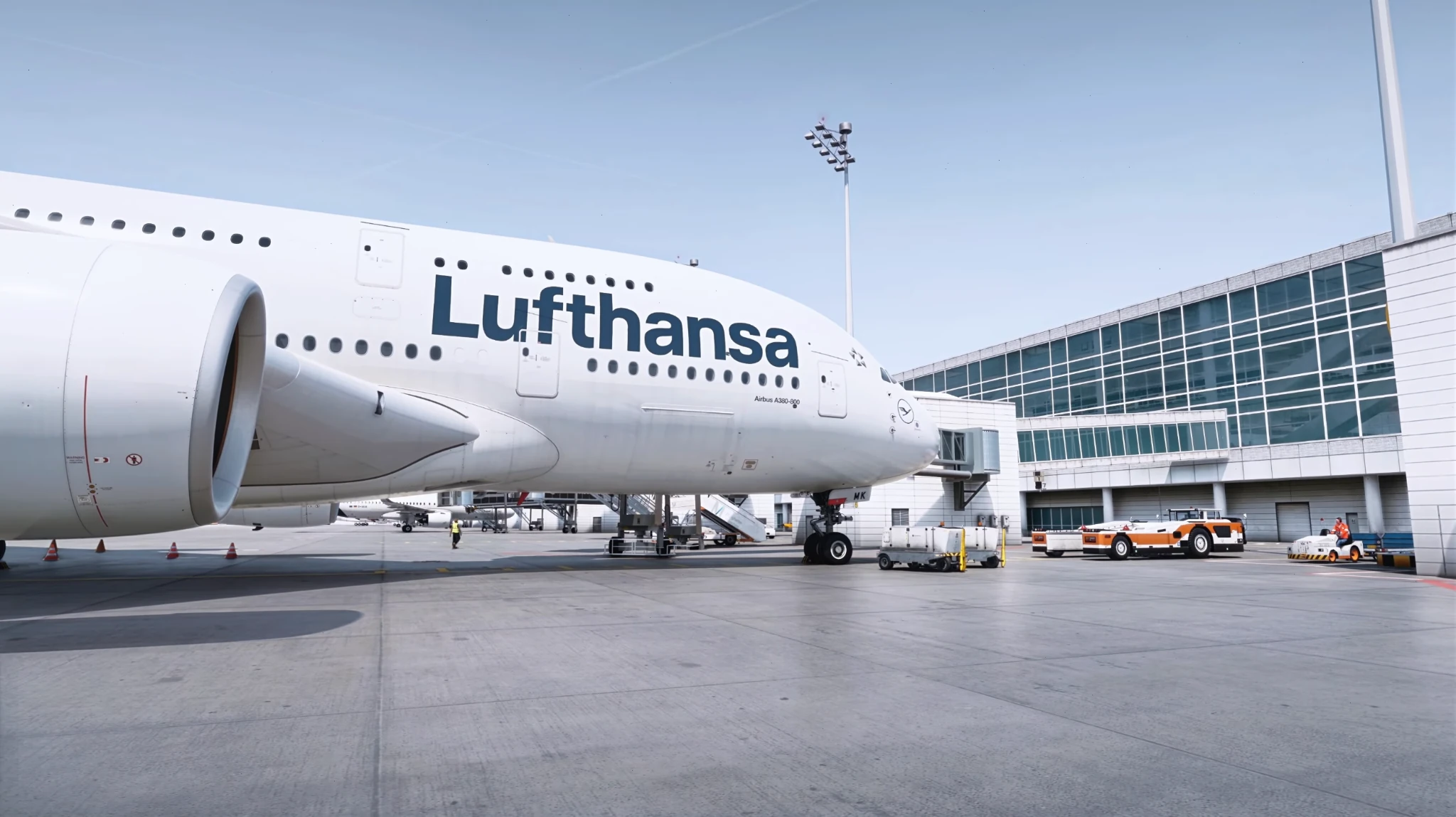
Your airport, line for line.
We don't approximate. Every taxiway, stand, painted line and clearance is reproduced at true scale and true distance, so what a ramp agent learns in simulation is exactly what they do on the apron. Build any airport you operate, then train it in any condition.
 Full GSE fleet
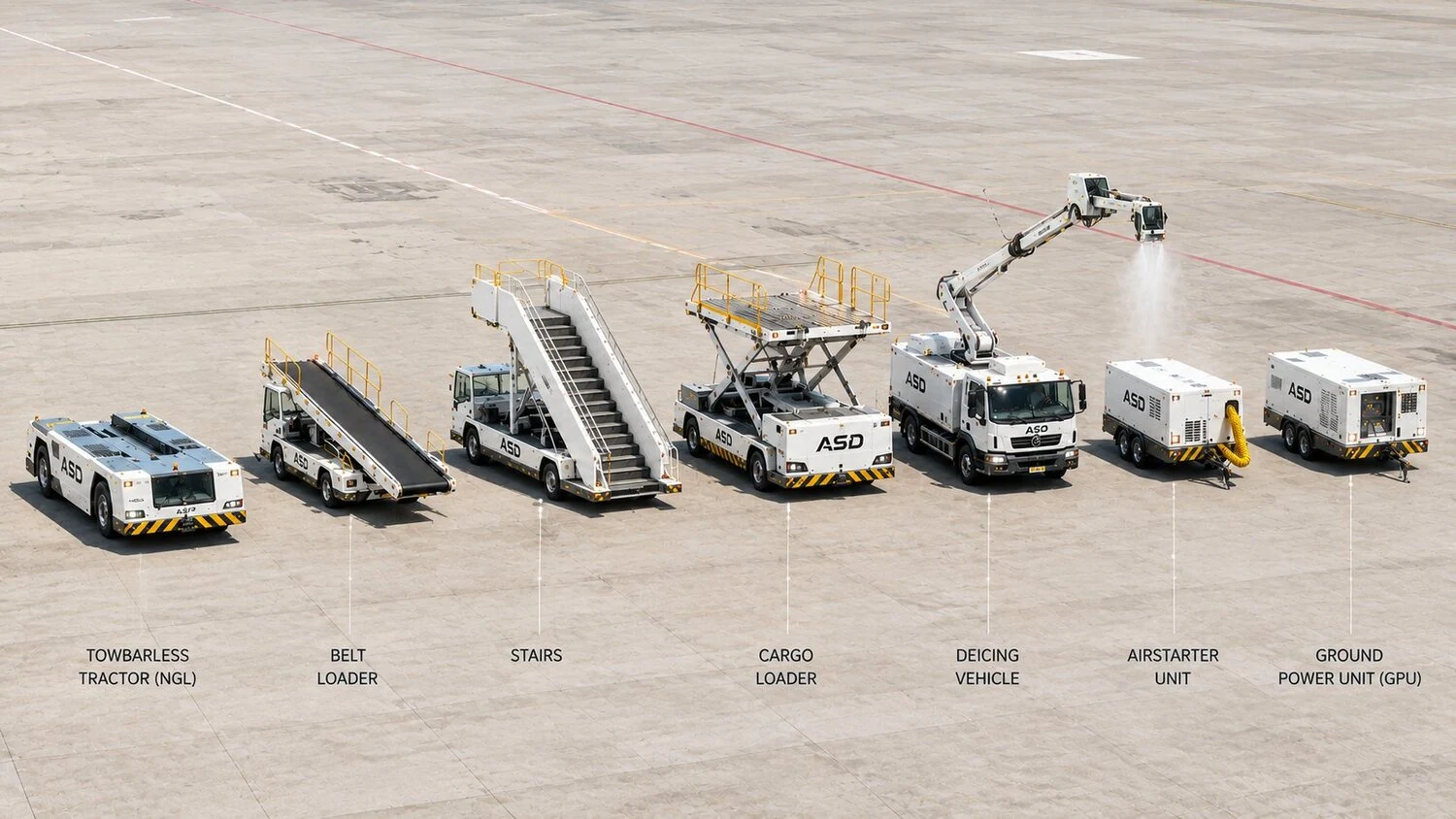
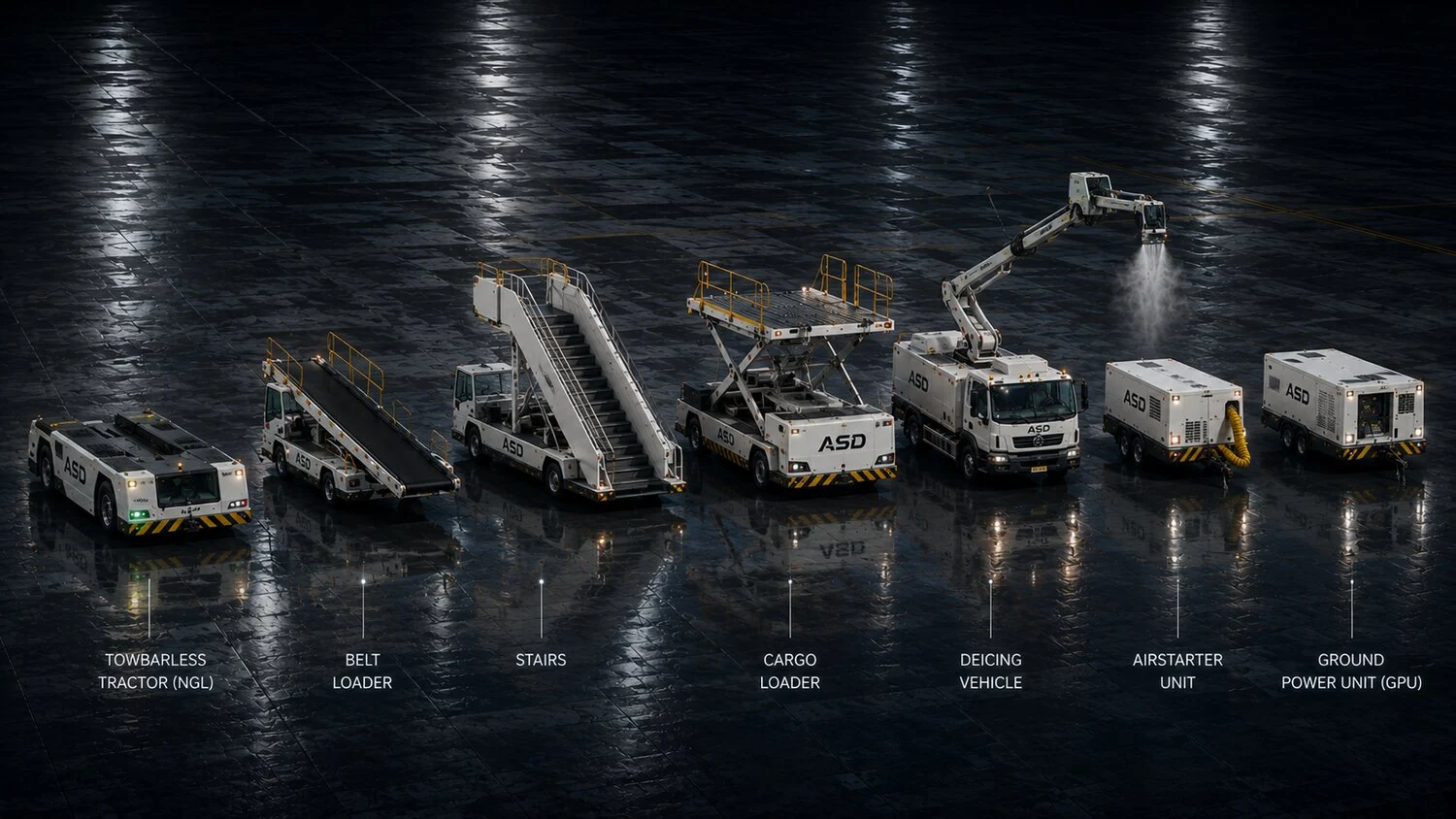
Every vehicle on the ramp.
Pushback and towbarless tractors, de-icing, belt and cargo loaders, passenger stairs, ground power, air starters, each with its own handling, procedures and phraseology. One platform for the whole ground operation.
- Pushback (TB & TBL)
- De-icing vehicles
- Belt & cargo loaders
- Passenger stairs
- Ground power units (GPU)
- Air starter units
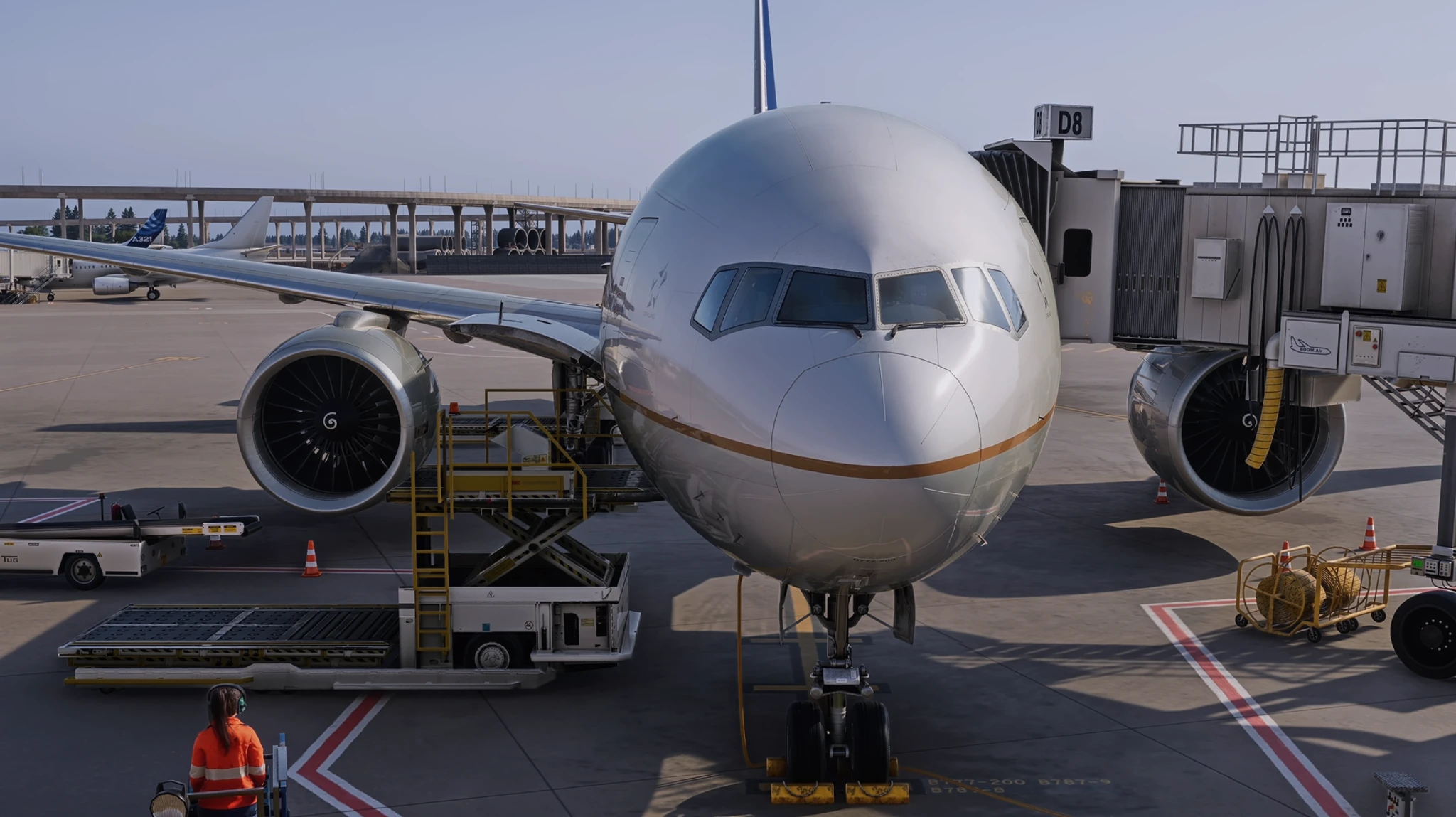
Dock to the door, not the fuselage.
The passenger boarding bridge is one of the most common sources of aircraft contact damage. Ramp agents practise approach, alignment and docking to the aircraft door, then auto-level and securing, on your real stands, until the movement is precise and routine.
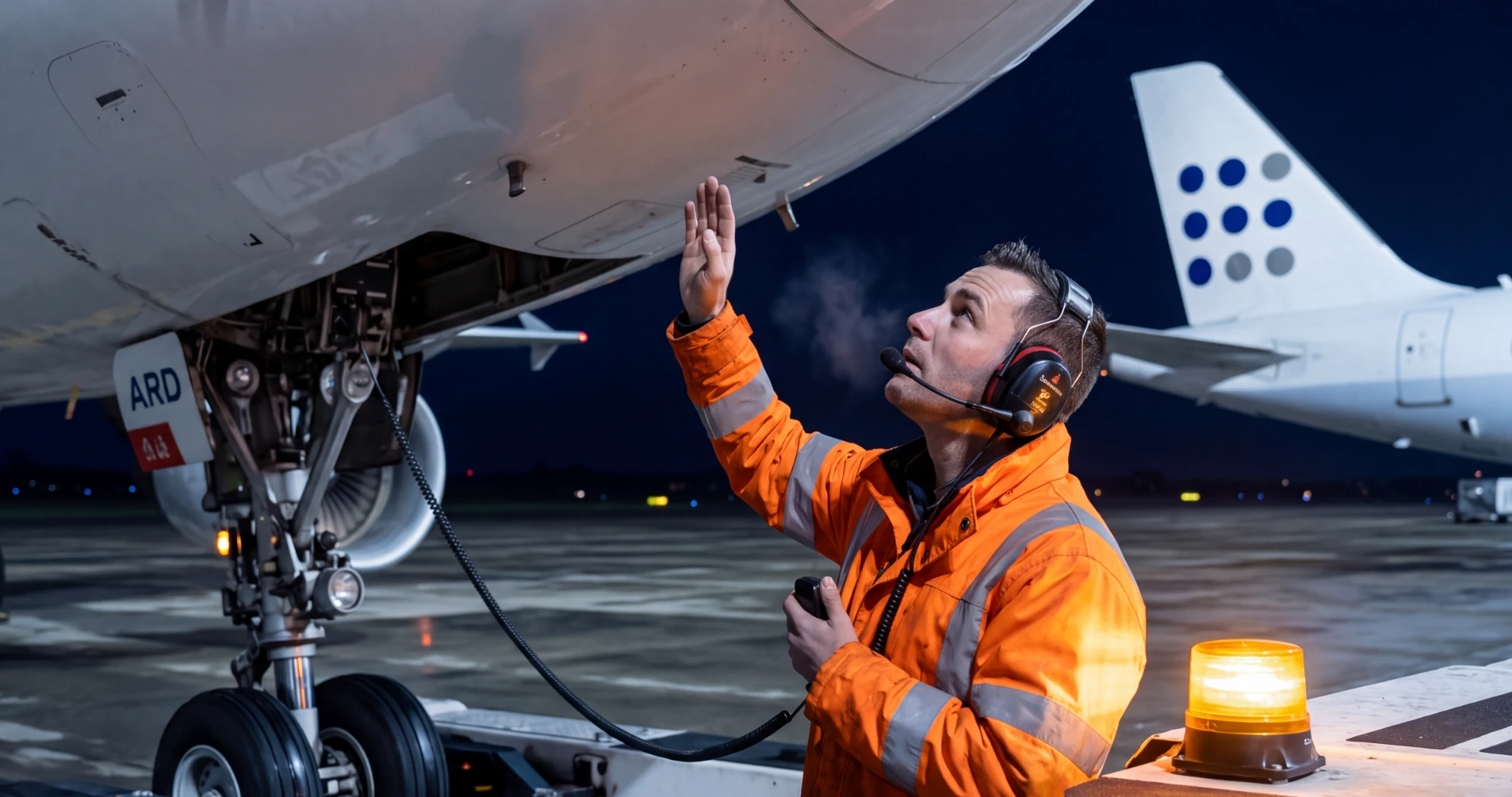
Train the radio, not just the wheel.
Interphone discipline is where incidents start, or where they're prevented. Ramp agents run the full departure exchange against an AI flight deck that greets, challenges, corrects and debriefs, exactly like the real headset. Voice in, voice out, scored every time.
Built for both sides of the ramp.
The same platform serves the handler who runs the operation and the airline that depends on it.
Recruit and train faster.
- Screen new hires with a standard initial assessment.
- Refresh ramp agents on a new airline's or airport's procedures.
- Plan easily, with no vehicle or trainer taken off the line.
- Valuable data: usage scores and analytics across your teams.
Hold every station to your standard.
- Roll out procedures across every station and handler.
- Verify competency: consistent, repeatable, auditable.
- See every turn through airline-specific reporting.
- Protect the fleet and your on-time performance.
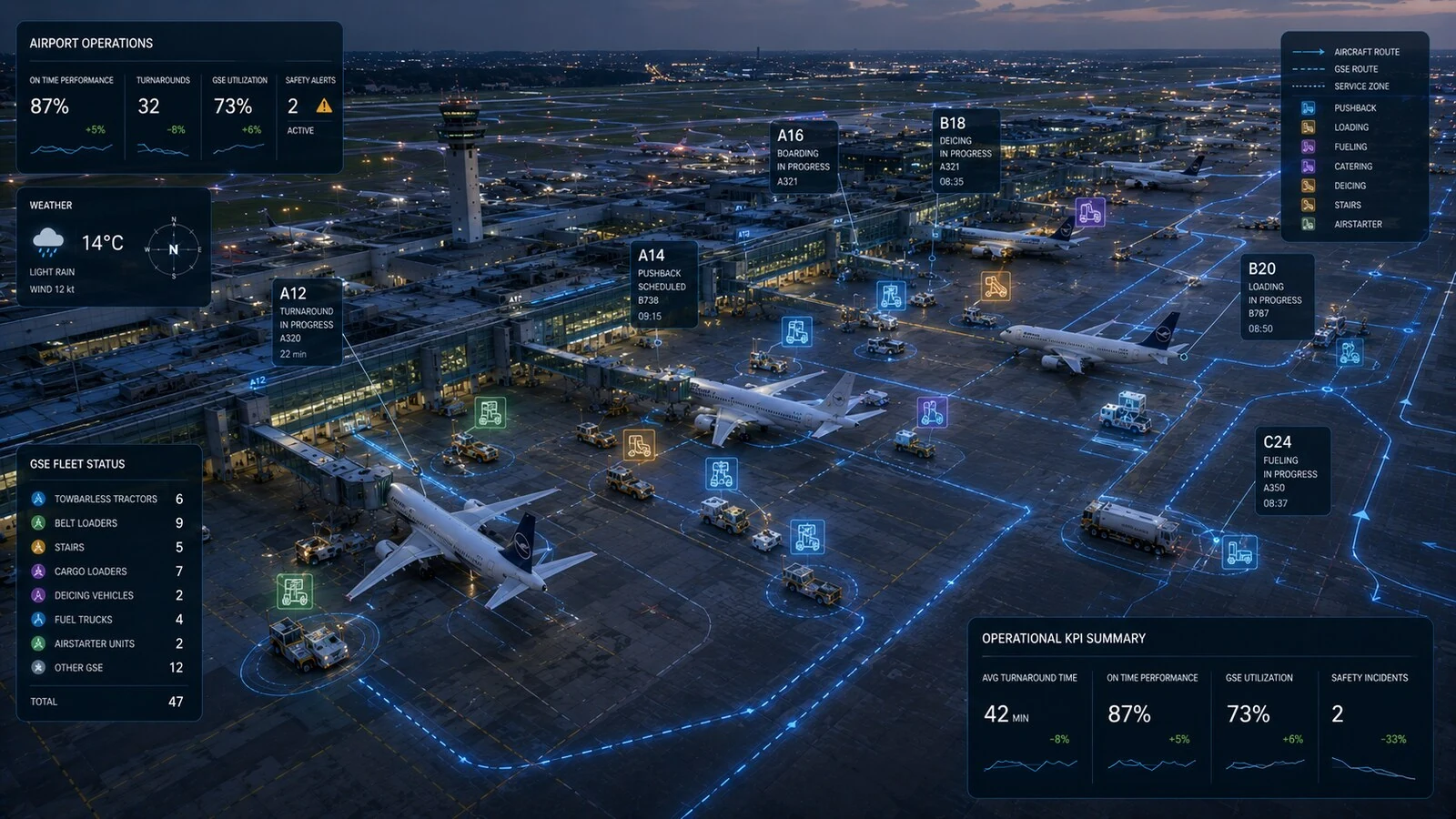 Operations & reporting
Every session becomes data.
Detailed, per-trainee reports for the operator, and usage scores, competency trends and analytics for the handler. Plan recurrent training, prove compliance, and see your ground operation through data you've never had before.
From practice to progress.
Prepare
Start with the airport, vehicle and procedure you need to practise.
Practise
Repeat the operation in simulation, including conditions and headset exchanges.
Debrief
Use individual reports to identify what to work on in the next session.
RSE began as a tool one pushback operator built to train himself: a way to rehearse the procedure off the aircraft, on his own time, until it was second nature. Training on the field, without the risk.
What works for one operator works for a whole team. That tool grew into a full simulation platform: every ground vehicle, any airport, reproduced at true scale. Built by someone who has done the job, for the people who do it every day.
Before you start.
Your airport, your team, your training goals.
Can we train on our own airport?
RSE reproduces your airport at true scale, including taxiways, stands and ground markings. The demo is an opportunity to discuss your operating environment and training priorities.
Which operations can we practise?
The platform covers pushback, de-icing, belt and cargo loaders, passenger stairs, ground power and air start units. It also includes passenger boarding bridges and headset communication practice.
Can training conditions vary?
The same airport can be used in clear weather, rain, snow or fog, by day or by night, so teams can rehearse in different operating conditions.
How do we review progress?
Individual trainee reports support the debrief. Usage scores and competency trends help handlers plan subsequent sessions and recurrent training.
See your airport, simulated.
A 30-minute demo. We'll run a live pushback on a true-scale apron and show the training data behind it.